

How Real Estate Chatbots Are Revolutionizing Commercial Property Management and Lead Capture
Estimated reading time: 4 minutes
Key Takeaways
- Real estate chatbots are *transforming* lead generation, qualification, and nurturing in commercial property management.
- These AI-powered assistants offer 24/7 availability, instant responses, and significantly improve lead qualification rates and customer engagement.
- Chatbots *streamline operations* by automating lead management, enhancing customer engagement, and boosting administrative efficiency.
- Various types of AI assistants, including home valuation, mortgage prequalification, and property search bots, serve distinct purposes in the real estate journey.
- Successful implementation requires clear objectives, comprehensive staff training, and careful integration planning to achieve a *measurable ROI*.
Table of contents
- How Real Estate Chatbots Are Revolutionizing Commercial Property Management and Lead Capture
- Key Takeaways
- Introduction to Real Estate Chatbot Technology
- Understanding Commercial Property Management and AI Integration
- Types of Real Estate AI Assistants
- Successful Implementation Case Studies
- Future Trends and Advancements
- Implementation Strategies for Success
- Best Practices for Chatbot Deployment
- Overcoming Common Challenges
- Measuring Success and ROI
- Conclusion
- Frequently Asked Questions
Real estate chatbots are *transforming* how commercial property managers and agents handle lead generation, qualification, and nurturing. This comprehensive guide explores how these AI-powered assistants are reshaping the industry and delivering unprecedented efficiency in property management and lead capture processes.
Introduction to Real Estate Chatbot Technology
A real estate chatbot is an AI-powered virtual assistant specifically designed to handle property-related inquiries, lead qualification, and customer service in the real estate sector. These sophisticated tools are becoming increasingly essential in modern commercial property management, offering 24/7 availability and instant response capabilities that traditional methods simply can't match.
The impact of these digital assistants on lead capture has been remarkable, with many agencies reporting significant improvements in lead qualification rates and customer engagement levels.
Understanding Commercial Property Management and AI Integration
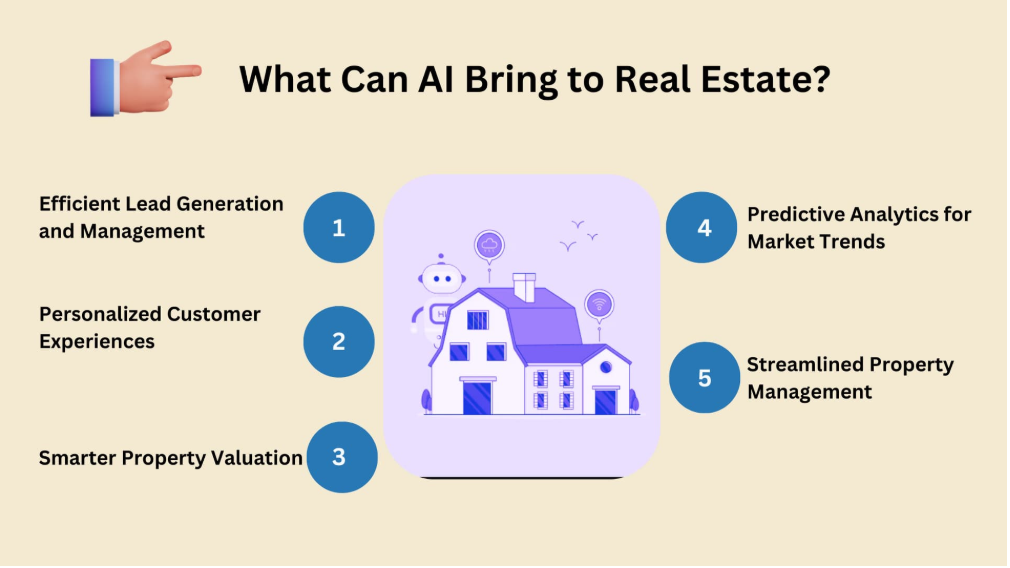
The commercial property management landscape has evolved dramatically with the integration of AI-powered solutions. Here's how real estate agents are leveraging chatbots for enhanced operations:
- Lead Management Automation
- Instant response to property inquiries
- Automated lead scoring and qualification
- Systematic follow-up scheduling
- Customer Engagement
- 24/7 property information access
- Immediate response to common questions
- Scheduled viewing coordination
- Administrative Efficiency
- Automated documentation processing
- Meeting scheduling
- Property information distribution
Types of Real Estate AI Assistants
Different types of real estate AI assistants serve various purposes in the lead qualification process:
Home Valuation Chatbots
- Provide instant property valuations
- Analyze market trends
- Generate comparative market analyses
Mortgage Prequalification Bots
- Calculate mortgage eligibility
- Provide interest rate information
- Guide users through prequalification steps
Property Search Assistants
- Filter available properties
- Schedule viewings
- Provide virtual tours
Successful Implementation Case Studies
Real estate AI assistants have demonstrated remarkable success in various commercial settings:
Case Study 1: Metropolitan Property Management
- 45% increase in qualified leads
- 30% reduction in response time
- 60% improvement in customer satisfaction
Case Study 2: Commercial Real Estate Group
- 50% more leads captured after hours
- 35% reduction in administrative tasks
- 25% increase in conversion rates
Future Trends and Advancements
The evolution of real estate chatbots continues to accelerate, with several emerging trends:
Advanced AI Integration
- Natural language processing improvements
- Enhanced personalization capabilities
- Predictive analytics integration
Enhanced Lead Nurturing
- Automated drip campaigns
- Behavioral tracking
- Personalized content delivery
Emerging Technologies
- Virtual reality integration
- Blockchain implementation
- IoT device connectivity
Implementation Strategies for Success
To maximize the benefits of real estate chatbots, consider these implementation strategies:
1. Clear Objective Setting
- Define specific goals
- Establish success metrics
- Create implementation timeline
2. Staff Training
- Provide comprehensive training
- Establish usage guidelines
- Create support systems
3. Integration Planning
- Assess technical requirements
- Plan data migration
- Establish backup systems
Best Practices for Chatbot Deployment
Follow these best practices to ensure successful chatbot implementation:
• Start with Simple Use Cases
- Basic property inquiries
- Appointment scheduling
- Contact information collection
• Gradual Feature Expansion
- Add features based on user feedback
- Monitor performance metrics
- Implement improvements systematically
• Regular Performance Review
- Track conversion rates
- Monitor user satisfaction
- Analyze response accuracy
Overcoming Common Challenges
Address these common challenges when implementing real estate chatbots:
Technical Challenges
- Integration with existing systems
- Data security concerns
- Performance optimization
User Adoption
- Staff resistance
- Client education
- Usage encouragement
Maintenance Requirements
- Regular updates
- Performance monitoring
- Content management
Measuring Success and ROI
Track these key metrics to measure chatbot effectiveness:
Quantitative Metrics
- Lead capture rate
- Conversion percentage
- Response time
Qualitative Metrics
- Customer satisfaction
- User feedback
- Agent satisfaction
Financial Impact
- Cost per lead
- Time savings
- Revenue increase
Conclusion
Real estate chatbots have become indispensable tools in commercial property management and lead capture. Their ability to automate routine tasks, provide instant responses, and qualify leads has transformed how real estate professionals operate. As technology continues to advance, these AI-powered assistants will become even more sophisticated, offering enhanced capabilities and improved efficiency.
The future of commercial property management lies in the successful integration of these digital assistants, making them an essential investment for forward-thinking real estate professionals. By embracing this technology and implementing it strategically, real estate businesses can stay ahead of the competition while providing superior service to their clients.
Remember, successful implementation requires careful planning, regular monitoring, and continuous optimization. The *transformative potential* of real estate chatbots in commercial property management and lead capture is clear, and those who adopt this technology early will have a significant advantage in the evolving real estate landscape.
[Final Source: https://www.gptbots.ai/blog/commercial-real-estate-lead-generation]
Frequently Asked Questions
What is a real estate chatbot?
A real estate chatbot is an AI-powered virtual assistant designed to handle property-related inquiries, lead qualification, and customer service specifically for the real estate sector. They provide 24/7 availability and instant responses.
How do chatbots help in commercial property lead capture?
Chatbots automate lead management by instantly responding to inquiries, qualifying leads, and scheduling follow-ups. They also enhance customer engagement by providing 24/7 property information and coordinating viewings, thus capturing and nurturing more leads efficiently.
What types of AI assistants are available for real estate?
Common types include home valuation chatbots (for instant property valuations), mortgage prequalification bots (for eligibility and interest rates), and property search assistants (for filtering properties and scheduling tours).
What are the key benefits of implementing real estate chatbots?
Key benefits include increased qualified leads, reduced response times, improved customer satisfaction, automation of administrative tasks, and significant time and cost savings, leading to higher conversion rates.
What are some challenges in implementing real estate chatbots?
Challenges can include technical integration with existing systems, ensuring data security, overcoming staff resistance to new technology, educating clients on chatbot usage, and managing ongoing maintenance for updates and performance monitoring.
One thought on “How Real Estate Chatbots Are Revolutionizing Commercial Property Management and Lead Capture”
Comments are closed.