


DEA Agent: A Comprehensive Look Inside America’s Frontline Drug Enforcement Heroes and Their Crucial Role
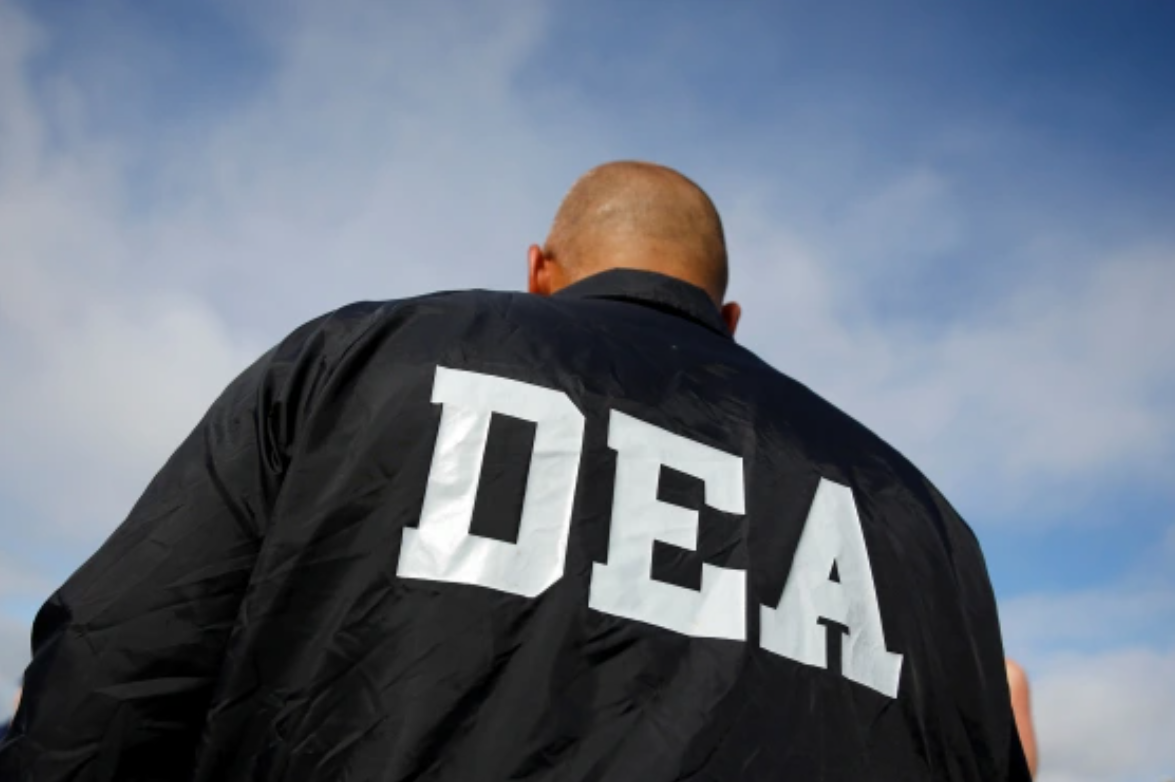
Inside the World of DEA Agents: Role, Risks, Career
Estimated reading time: 10 minutes
Key Takeaways
-
- DEA agents are the front line in America’s fight against the illegal drug trade, enforcing the Controlled Substances Act and dismantling drug trafficking organizations.
-
- They perform a wide range of activities including investigations, covert operations, arrests, and regulatory enforcement.
-
- The DEA balances criminal enforcement with regulation and diversion prevention of legal pharmaceuticals.
-
- DEA agents collaborate extensively across federal, state, local, tribal, and international agencies to combat drug crime.
- Becoming a DEA special agent requires dedication, physical and mental resilience, and the ability to operate in complex and dangerous environments.
Table of contents
What Is a DEA Agent?
At its core, a DEA agent is a special agent of the Drug Enforcement Administration (DEA), a federal law enforcement agency within the U.S. Department of Justice. The DEA serves as the lead agency responsible for enforcing America’s drug laws and regulations outlined under the Controlled Substances Act (CSA). While sometimes broadly called drug enforcement officers, the formal title is “DEA Special Agent.”
DEA agents are career law enforcement officers dedicated to combating illegal drug trafficking operations at every level—from street dealers to international cartels. They investigate, apprehend, and help prosecute those involved in the manufacture, distribution, and sale of illegal drugs, as well as the diversion of legal pharmaceuticals into illicit markets (source, source, source).
The Core Mission and Powers of DEA Agents
The DEA agent’s mission is both vital and vast: to enforce the controlled substances laws and regulations of the United States, and to bring to justice those who violate them. This mission empowers the DEA to investigate, disrupt, and dismantle organizations involved in illegal drug activity, whether they operate in U.S. cities, remote rural areas, or internationally (source, source).
Central to their authority is the Controlled Substances Act (CSA), which classifies drugs into five schedules based on their accepted medical use and potential for abuse. The CSA governs the manufacture, distribution, and use of both illegal and legal drugs, making DEA agents the primary federal enforcers responsible for maintaining this delicate balance (source, source).
The DEA shares jurisdictional lines with federal agencies like the FBI and U.S. Customs and Border Protection, but the DEA remains the lead domestic agency focused on drug enforcement (source, source).
Day-to-Day Life: What Does a DEA Agent Do?
Behind every DEA operation is a wide range of complex and often dangerous activities. The life of a DEA special agent is a fascinating blend of rigorous investigation, tactical enforcement, analysis, and cooperation:
-
- Investigating Major Drug Trafficking Organizations: DEA agents target sophisticated drug trafficking organizations (DTOs), including violent cartels, street gangs, and narco-terrorist groups operating across the U.S. and overseas. Their goal is to dismantle these networks through intelligence gathering and enforcement actions (source, source).
-
- Seizing Proceeds and Combating Money Laundering: Beyond drugs, DEA agents work to confiscate profits generated by trafficking—from cash and vehicles to properties—and fight associated financial crimes using transaction monitoring and undercover financial investigations (source).
-
- Collaboration with Other Agencies: DEA agents work closely with federal, state, local, and tribal law enforcement via task forces such as High Intensity Drug Trafficking Areas (HIDTA) and Joint Terrorism Task Forces (JTTFs). Cooperation with foreign law enforcement agencies is also key in international drug investigations (source).
-
- Regulatory Efforts to Prevent Diversion: Agents assist regulatory personnel to monitor the diversion of legal pharmaceuticals and precursor chemicals, preventing their abuse or sale on the black market (source).
- Community Outreach: Beyond enforcement, DEA agents support prevention programs aimed at reducing drug abuse and violence in communities affected by narcotics (source).
Enforcement Versus Regulation: The Dual Role of DEA Agents
The DEA balances two important roles: criminal enforcement and regulation.
Criminal Enforcement: This is the frontline focus of DEA special agents. They investigate and take down drug traffickers and manufacturers, focusing heavily on large-scale, high-level trafficking rings, not just street-level dealers (source, source).
Regulation and Diversion Control: In tandem with Diversion Investigators, DEA agents help monitor legal controlled substances to stop diversion into illegal channels. This involves registering businesses and medical practitioners who handle controlled substances, conducting inspections, setting production quotas for Schedule I and II drugs to balance medical needs with abuse potential, and educating stakeholders on proper compliance (source, source).
The Tools and Programs DEA Agents Use Every Day
DEA special agents rely on a sophisticated array of resources and programs:
-
- Intelligence Operations: The DEA runs a national drug intelligence program that collects operational and strategic information. They also manage an extensive worldwide informant network and run judicial intercept programs such as wiretaps to penetrate criminal communications (source).
-
- Forensics and Technology: Investigators have access to advanced DEA laboratories capable of chemical analysis, digital forensics, and fingerprinting to build solid scientific evidence. Technology aids in surveillance, data analysis, and dissecting communication channels (source).
- Task Forces and Initiatives: DEA agents often serve on multi-agency task forces like HIDTA, coordinating regionally to disrupt drug-related crime on the ground, and partner with Joint Terrorism Task Forces when drug revenues are linked to terrorism financing (source).
Becoming a DEA Special Agent: The Career Path
For those looking to join this elite group, DEA special agent positions demand commitment and excellence.
Major duties for DEA Criminal Investigator roles include conducting complex narcotics investigations, planning and executing undercover operations and raids, preparing detailed case files, coordinating with prosecutors, and working irregular hours that often demand travel and foreign assignments (source, source).
The work environment is high-risk. Agents frequently encounter armed suspects, dangerous environments, and long investigations across urban, rural, and international settings. Teamwork, physical fitness, and mental resilience are essential traits (source).
The DEA’s Place in the Federal Law Enforcement Landscape
The DEA operates within the U.S. Department of Justice, headed by an administrator appointed by the President and confirmed by the Senate (source).
DEA agents work within various divisions—operations, intelligence, and support—and collaborate closely with U.S. Attorneys' offices for prosecutions, the Department of the Treasury on financial crimes, and with international law enforcement partners to tackle cross-border drug crimes (source).
The DEA oversees both the registration system for legal handling of controlled substances and the criminal enforcement against illicit trafficking, giving it a unique and critical dual role in the drug law enforcement ecosystem (source).
Conclusion: The Undeniable Impact of DEA Agents
DEA agents represent a fearless line of defense in America's ongoing war on drugs. Their multifaceted role—from high-stakes undercover operations to regulatory enforcement—protects communities and upholds laws designed to safeguard public health and safety.
As drug trafficking evolves, so do the challenges facing DEA special agents, making their mission vital now more than ever. Their work remains the backbone of federal efforts to dismantle dangerous drug networks and disrupt the flow of narcotics that impact millions.
For anyone fascinated by law enforcement, criminal justice, or national security, the DEA agent’s role offers a profound window into a complex, dynamic battlefield where courage, strategy, and tenacity confront one of society’s toughest adversaries.
Learn more about DEA agents and their important role from official sources:
– U.S. Department of Justice: DEA Organization and Mission
– DEA Careers: Special Agent Information
– Wikipedia: Drug Enforcement Administration
Frequently Asked Questions
What qualifications are required to become a DEA special agent?
Applicants must be U.S. citizens with a bachelor’s degree, meet physical fitness standards, and pass background checks and drug screening. Experience in law enforcement or military service is advantageous (source).
How does the DEA differ from other federal law enforcement agencies?
The DEA specializes exclusively in controlled substances enforcement, focusing on investigating and dismantling drug trafficking operations, while agencies like the FBI handle broader criminal and national security matters (source).
Do DEA agents work overseas?
Yes, DEA agents operate internationally to cooperate with foreign law enforcement and to disrupt transnational drug trafficking organizations (source).
What risks do DEA agents face in their job?
DEA agents risk facing armed and dangerous criminals, working in hostile environments, and must maintain high physical and mental resilience to safely complete their missions (source).
How does the DEA regulate legal pharmaceuticals?
The DEA registers and inspects businesses and medical practitioners handling controlled substances, sets production quotas for certain drugs, and monitors for diversion to illegal markets to prevent abuse (source).
In the spotlight of justice, DEA agents stand vigilant—relentlessly pursuing a safer, drug-free future for all Americans.