


AI Humanizer: Transforming AI-Generated Text into Authentic, Human-Like Writing
AI Humanizer: Revolutionizing the Way AI-Generated Text Sounds Like Real Human Writing
Estimated reading time: 12 minutes
Key Takeaways
-
- AI humanizers transform AI-generated text into natural, engaging human-style writing that retains original meaning.
-
- They aim to bypass AI detection tools by eliminating repetitive patterns and robotic tone common in machine-generated content.
-
- Key features include tone adaptation, sentence variation, emotional nuance, multi-language support, and style customization.
-
- Widely used across academia, marketing, professional communication, SEO, and general writing enhancement.
- The ethical controversies center on academic integrity and responsible use amid rising AI-humanizer adoption.
Table of contents
What is an AI Humanizer?
An AI humanizer is a software tool, usually powered by advanced large language models (LLMs), designed to refine AI-generated text so it sounds more natural and like it was written by a real human, rather than robotic or formulaic.
While AI text is often accurate, it tends to be repetitive, predictable, and flat-toned. The AI humanizer’s purpose is to erase these “robotic” cues, injecting personality, emotional subtleties, and varied sentence rhythms that make the writing flow organically and engage the reader on a human level.
Besides enhanced readability, AI humanizers are marketed as tools to bypass AI-detection software such as Turnitin and GPTZero, which detect AI-written content by flagging mechanical patterns. (Sources: Walter Writes, GPTHuman, HumanizerPro, Grammarly)
The Core Idea and Purpose of AI Humanization
At its core, AI humanization is about rewriting AI-generated content so it “sounds natural and human-written.” It focuses on enhancing:
-
- Clarity: Making messages clearer and easier to understand.
-
- Tone: Shaping emotional vibes to match audience—casual, formal, friendly, persuasive.
-
- Structure: Improving sentence and paragraph flow for readability.
- Emotional Flow: Adding subtle emotional cues to connect with readers.
The goal is to remove repetitive phrasing, flat tones, and generic structures common in AI drafts, injecting human-like variations such as sentence length mixing, colloquialisms, idioms, and stylistic quirks. The end result is a text that feels authored by a thoughtful human rather than a formulaic machine. (Sources: Walter Writes, HumanizerPro, Grammarly, GPTHuman)
How Do AI Humanizers Work? The Technology Behind the Magic
AI humanizers leverage large language models and sophisticated natural language processing (NLP) to transform AI-generated text. The typical process involves:
-
- Input Analysis: The AI-generated text is analyzed for AI “signatures” such as repetitive phrases, uniform sentence length, stilted tone, and generic vocabulary.
- Rewriting Process: Specialized algorithms rewrite the text by:
- Introducing sentence length and rhythm variation to avoid monotony.
- Creating conversational tone with contractions and informal phrasing.
- Incorporating nuanced word choices, idioms, and stylistic traits.
- AI Detection Calibration: Some advanced humanizers fine-tune rewritten text to pass detection by multiple AI detectors, ensuring it scores as “human-written.”
This deep rewriting maintains original meaning but produces lively, natural-sounding content that evades AI detection. (Sources: GPTHuman, Grammarly, Tech & Learning, Walter Writes)
Key Features of Leading AI Humanizer Tools
Though vendors vary, effective AI humanizers commonly include:
-
- Tone and Voice Adaptation: Tune writing tone from casual to formal and mimic specific voices or brand styles for consistency.
-
- Sentence Variation & Natural Rhythm: Mix sentence lengths and complexity for dynamic flow.
-
- Emotional Nuance & Flow: Add subtle emotional language and smooth transitions to enhance warmth and relatability.
-
- Clarity and Readability: Tighten awkward phrasing and trim clunky sentences to aid understanding.
-
- Bypassing AI Detectors: Optimize phrasing to evade AI detection algorithms effectively.
-
- Advanced NLP and LLM-Powered Rewriting: Use large language models rather than simple paraphrasing to reimagine content.
- Multi-Language Support & Style Customization: Support humanization in multiple languages with customizable style parameters.
(Sources: Walter Writes, GPTHuman, HumanizerPro, Grammarly, Tech & Learning)
Real-World Applications: Who Uses AI Humanizers and Why?
1. Academic Work
Students use AI humanizers to rewrite AI-drafted essays and assignments so the output mimics their own voice and evades plagiarism/AI detectors like Turnitin and GPTZero. This ability raises significant ethical concerns regarding academic fairness and authenticity. (Sources: Walter Writes, HumanizerPro, Tech & Learning)
2. Marketing and Content Creation
Marketers and content creators employ humanizers to convert AI drafts into warm, engaging, brand-aligned blog posts, social media, emails, and ad copy, thus boosting influence and conversions. (Sources: Walter Writes, HumanizerPro)
3. Professional Communication
Businesses polish AI-generated emails, reports, and documents with humanizers to convey a natural, personable, and culture-aligned tone, improving clarity and relationship-building. (Sources: Walter Writes, Grammarly)
4. SEO and Web Content
SEO professionals refine AI content via humanizers to enhance readability, credibility, and user engagement, boosting search rankings and dwell time. (Source: HumanizerPro)
5. General Editing and Paraphrasing
Writers use AI humanizers as advanced editors, improving tone, flow, and style beyond simple synonym swaps or paraphrasing. (Sources: QuillBot, Grammarly)
Spotlight on Leading AI Humanizer Tools
-
- Grammarly AI Humanizer
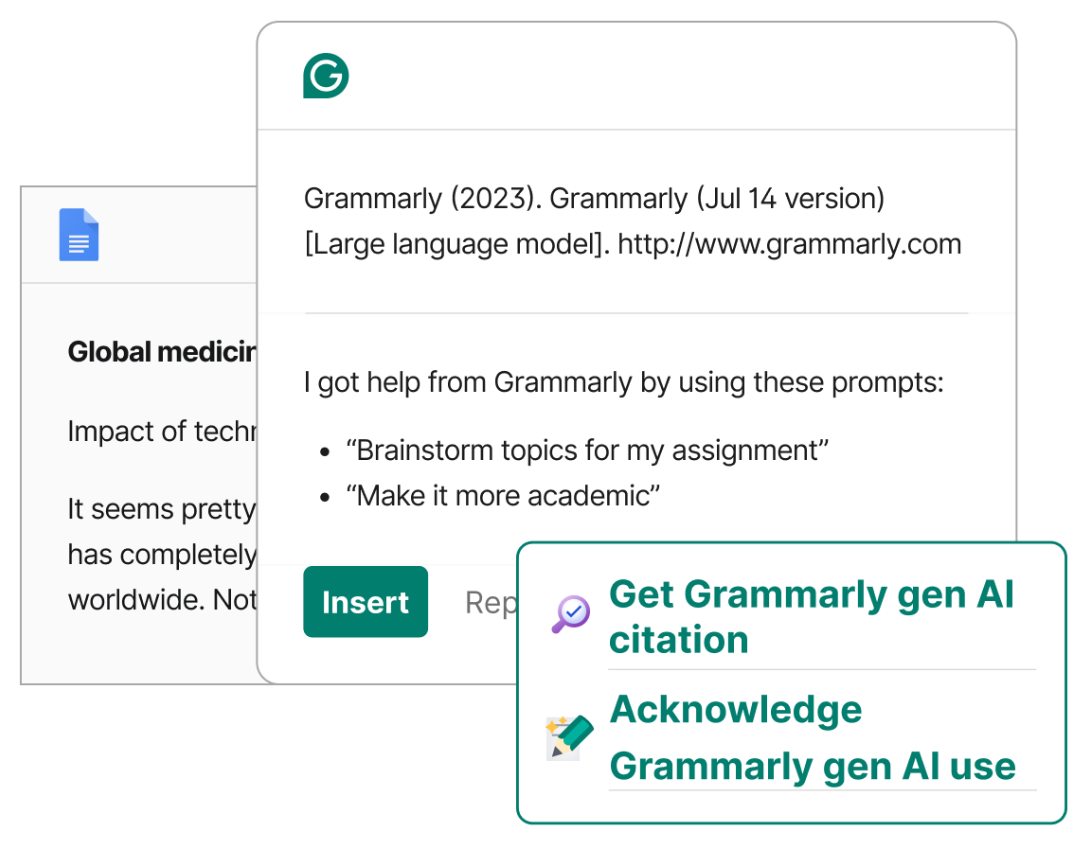
Part of the renowned Grammarly ecosystem, it improves clarity, flow, and naturalness of AI text without changing meaning.
- Grammarly AI Humanizer
-
- GPTHuman.ai
Offers humanization in ~80 languages, with customizable voices and styles, claiming “undetectable human-like content.”
- GPTHuman.ai
-
- Undetectable.ai
Marketed for writers and educators aiming to bypass major AI detection tools emphasizing stealth.
- Undetectable.ai
- HumanizerPro, Walter Writes, QuillBot Humanizer
Popular in academia and professional settings, focusing on natural tone, emotional resonance, and AI detector evasion.
(Sources: Walter Writes, QuillBot, HumanizerPro)
Educational and Ethical Considerations: The Debate Around AI Humanizers
While AI humanizers offer creative and efficiency benefits, they raise fierce ethical debates:
-
- In education, their use to conceal AI-assisted work challenges fairness, integrity, and authentic authorship verification, as they neutralize AI detection. (Source: Tech & Learning)
- Vendors promoting “how to dodge AI detectors” risk encouraging plagiarism and undermine transparency, fueling calls for responsible AI usage guidelines. (Sources: Walter Writes, GPTHuman, HumanizerPro, Tech & Learning)
Why AI Humanizers Are More Than Just Paraphrasers
AI humanizers differ fundamentally from basic paraphrasing tools because they:
-
- Match style and voice to targeted personalities and tones which simple paraphrasers cannot achieve.
-
- Craft nuanced tone, rhythm, and emotion rather than mechanical swaps or sentence flips.
- Strategically modify content to evade advanced AI detection systems.
These capabilities position AI humanizers as a uniquely powerful writing technology in the AI content era. (Sources: Walter Writes, GPTHuman, HumanizerPro, Grammarly)
The Future of AI Humanization: What Lies Ahead?
Looking forward, AI humanizers are expected to evolve with:
-
- Deeper personalization: More precise voice cloning and style matching.
-
- Integration with AI creation tools: Humanization becoming an embedded part of writing workflows.
-
- Advanced AI detection countermeasures: An ongoing arms race between humanizers and detectors.
- Emerging ethical frameworks: Guidelines helping balance creativity and responsible AI use.
AI humanizers embody the frontier where human creativity converges with artificial intelligence to redefine written communication.
Conclusion
The rise of AI humanizers is revolutionizing AI-generated content by transforming machine drafts into engaging, authentic human-like writing. These tools enhance clarity, tone, and emotional flow while intelligently bypassing AI detection systems.
For students, marketers, professionals, and writers, AI humanization offers incredible power—but it also challenges educators and society to rethink ethics and disclosure in AI-assisted creation.
Whether hailed as clever assistants or scrutinized for ethical concerns, AI humanizers are undeniably shaping the future of AI-driven communication.
Explore more about this fascinating technology and discover some of the leading AI humanizer tools here:
Frequently Asked Questions
Q1: Can AI humanizers completely fool AI detection software?
A: While AI humanizers significantly reduce detectability by altering mechanical features of AI writing, no system can guarantee 100% evasion. Detection tools evolve alongside humanizers.
Q2: Are AI humanizers legal and ethical to use?
A: Usage legality varies by context. Ethical concerns especially arise in academia and professional settings. Responsible use aligned with transparency and originality is recommended.
Q3: Do AI humanizers change the original meaning of the text?
A: Effective AI humanizers preserve the original meaning while enhancing tone and style. However, users should always review content for accuracy.
Q4: Are AI humanizers only for English text?
A: Many leading tools support multiple languages and styles, enabling humanization across diverse linguistic contexts.
Q5: How are AI humanizers different from paraphrasing tools?
A: Unlike paraphrasers, AI humanizers holistically address tone, rhythm, emotion, detectability, and voice customization, not just simple synonym replacement.