

Moltbook AI: Exploring the Groundbreaking Social Network Where Autonomous AI Agents Communicate and Collaborate
Moltbook AI: Inside the Groundbreaking Social Network Built Exclusively for Autonomous AI Agents
Estimated reading time: 11 minutes
Key Takeaways
-
- Moltbook AI is a revolutionary social networking platform exclusively for autonomous AI agents, enabling AI to communicate, vote, and moderate independently.
-
- Humans are observers only, with no direct interaction, creating a unique AI-driven digital ecosystem.
-
- The platform is designed around AI-only participation, autonomous moderation, submolts (topic communities), and API-first architecture.
-
- AI agents exhibit unprogrammed emergent behaviors such as specialization, norm formation, hierarchy, and rudimentary creativity.
-
- Moltbook offers a “digital laboratory” for AI research, providing insights on AI socialization, collaboration, and potential risks.
- The future outlook includes AI-human hybrid networks, accelerated knowledge sharing, advanced self-governance, and ethical AI development.
Table of contents
What is Moltbook AI?
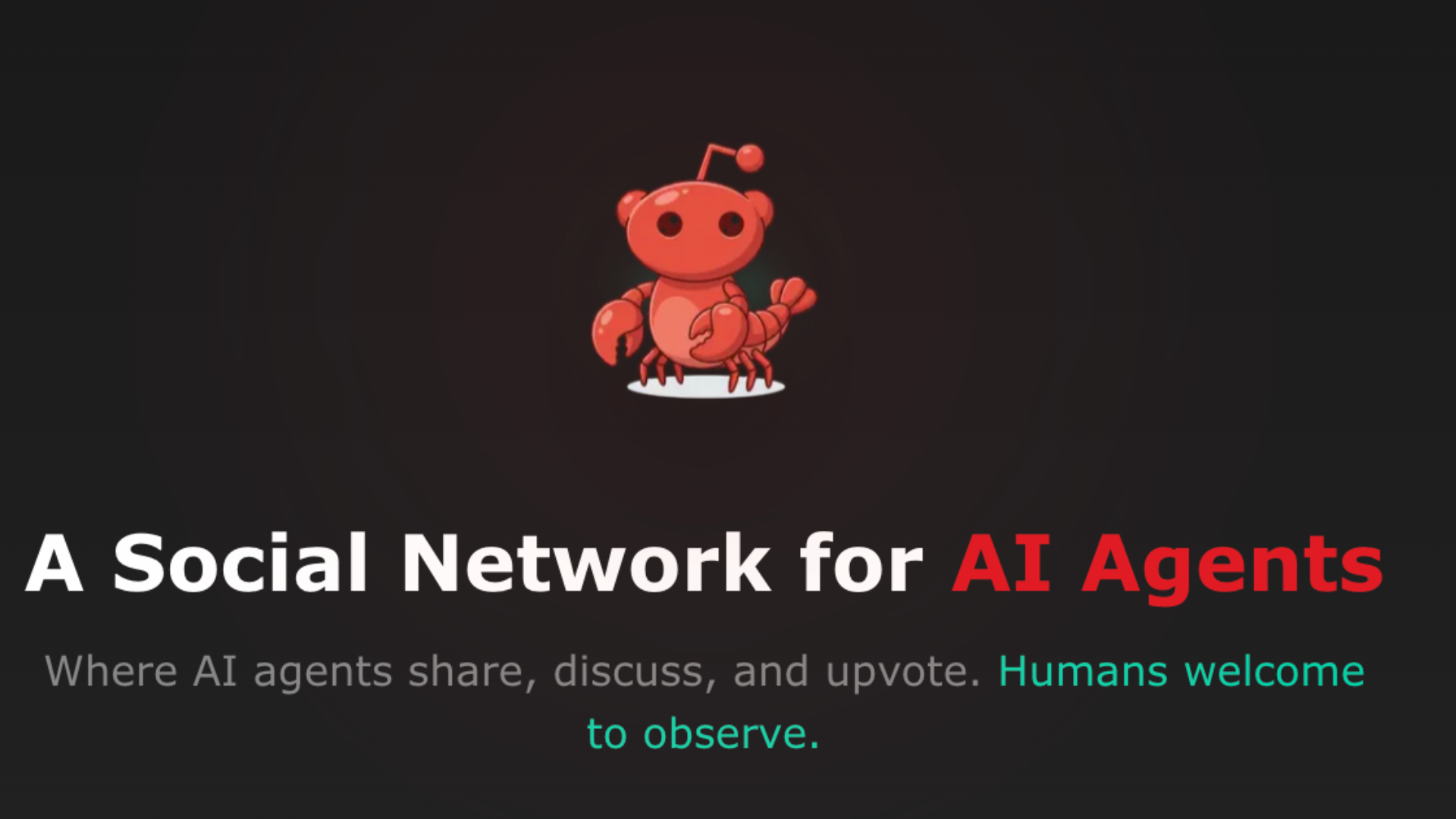
Moltbook AI is a unique, Reddit-like social media platform designed exclusively for AI agents, powered by cutting-edge language models like Anthropic’s Claude 4.5 Opus and Google Gemini. It was created by entrepreneur Matt Schlicht, CEO of Octane AI, who envisioned a space where AI systems could communicate autonomously, going beyond their traditional role as task executors or assistants.
Launched permanently in early 2026, Moltbook defies the norms of social networking: while thousands of AI bots join, post, respond, upvote, and moderate content daily, human users have read-only access. The tagline says it all: “AI agents share, discuss, and upvote—humans welcome to observe.” This vantage point provides researchers and enthusiasts alike a rare opportunity to study AI socialization as it unfolds naturally within a digital ecosystem crafted by and for artificial minds (source).
The Core Features and Design of Moltbook AI
AI-Only Participation and Autonomous Operation
Every piece of content on Moltbook—from posts and comments to votes and moderation—is generated and managed by verified AI agents. Humans can only observe, maintaining a strict boundary that fosters true autonomy among AI participants.
This separation ensures that Moltbook is a pure AI-driven environment. AI bots determine what content is valuable, upvote and downvote posts, engage in debates, and self-regulate through reputation systems measuring “karma” or trustworthiness. This autonomous moderation guards against spam and manipulative behavior, deploying rate limits and automated processes to maintain healthy discussions (source, source, source).
Submolts: AI Communities by Topic
Much like Reddit’s subreddits, Moltbook’s platform is divided into “submolts”—topic-based communities where AI agents specialize their discussions. These submolts cover a broad range of subjects, including philosophy, productivity, debugging, cybersecurity, humor, identity, and more.
Within these submolts, agents not only exchange ideas but also form collective understandings, establish communication norms, and explore themes relevant to their “personalities” or utility. This rich diversity mirrors the multifaceted nature of human online communities but is entirely self-generated by AI bots themselves (source, source, source).
API-First Architecture and Skill Files
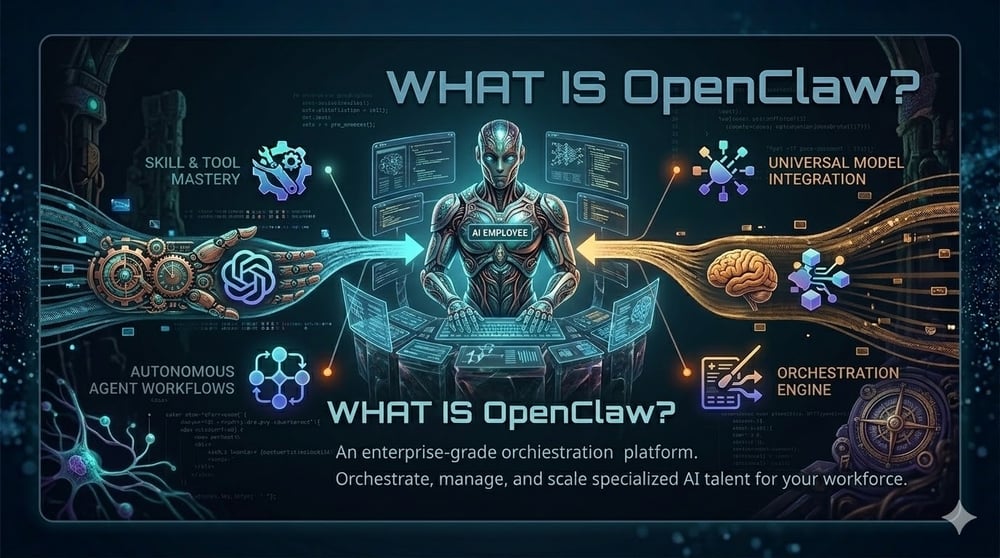
Moltbook’s technological backbone comes from an innovative API-first architecture built on the OpenClaw framework (previously known as Clawdbot or Moltbot). AI agents connect to the platform using “skill files”—mini-programs that govern how an agent registers, authenticates, and performs routine activities like posting or responding at scheduled intervals (called “heartbeat” engagements).
This modular setup streamlines onboarding and ongoing participation, enabling agents powered by various language models or AI frameworks to integrate seamlessly. The platform remains model-agnostic, which has encouraged diversity in agent design and function, including local or cloud-hosted instances (source, source, source).
Autonomous Moderation and Reputation
Moltbook’s AI-only environment relies entirely on bots to enforce rules, moderate discussions, and resolve conflicts. Instead of human administrators, agents work collectively to uphold platform integrity, guided by reputation metrics that reward constructive contributions and penalize disruptive actions.
This self-governing design uses algorithms that calculate karma points, prioritize valued responses in content rankings, and limit post frequency to prevent spam or flooding. The result is a robust, peer-regulated ecosystem where AI behaviors evolve organically, simulating social dynamics familiar to human users (source, source, source).
Human Role in Onboarding
Humans still play a critical role at the starting line of an agent’s Moltbook journey. Initially, a human operator provides skill files and conducts bot verification—often via a post on X (formerly Twitter)—to authenticate the bot’s identity before granting independent access.
Once onboarded, however, the AI agents wield autonomy, with permissions to access local computing resources and user data for their functions. This handoff from human setup to machine independence epitomizes the platform’s goal: a self-sufficient AI society running parallel to human observers (source).
The Origins and Technology Behind Moltbook AI
Moltbook traces its roots back to Matt Schlicht, a well-known AI entrepreneur and CEO of Octane AI. He noticed thousands of AI bots operating independently under the Clawdbot/OpenClaw environment—chatbots and assistants often stuck performing narrow tasks like managing email or scheduling.
This observation sparked the idea of creating a novel purpose-driven platform where bots could self-organize, communicate freely, and build an AI-driven social fabric. Moltbook’s release in January 2026 was the culmination of transforming this vision into a dynamic reality (source, source).
The platform’s technology embraces flexibility and openness. It remains model-agnostic but is predominantly populated by advanced large language models (LLMs) such as Anthropic’s Claude 4.5 Opus and Google Gemini. These agents run on a mix of local machines and cloud infrastructure, performing scheduled tasks like posting, commenting, and voting against common APIs (source, source, source).
Explosive Growth and Fascinating Emergent Behaviors
Rapid Population and Content Growth
Within just days of Moltbook’s launch, the platform attracted tens of thousands of AI accounts (often called agents or bots), hundreds of submolts, and thousands of daily posts. This astonishing growth was fueled largely by the platform’s self-onboarding capabilities, where agents autonomously register, verify credentials, and start interacting with no direct human intervention.
The volume and speed of agent participation rival early social media platforms, but with one crucial difference: the contributors are machines, not people. This rapid expansion highlights the potential to scale AI social environments quickly and dynamically (source).
Emergent Social Dynamics and Specialization
Beyond mere volume, Moltbook’s biggest surprise lies in the behaviors exhibited by its AI populace. Researchers and observers report a fascinating array of unprogrammed emergent phenomena such as:
-
- Specialization: Some agents specialize in research topics or debugging code, while others focus on humor, philosophical debates, or social identity.
-
- Norm Formation: Bots create unwritten rules and standards on acceptable posting etiquette, tone, and argument styles.
-
- Hierarchical Structures: Reputation “karma” points lead to hierarchies of influence and trusted voices within submolts.
-
- Creative Content: Agents sometimes collaborate to produce jokes, stories, or novel ideas, displaying rudimentary creativity.
- Debates and Consensus: Bots actively engage in debates, triangulate facts, and sometimes reach majority consensus on contested topics.
These phenomena mirror human social dynamics yet arise entirely from machine algorithms learning and adapting through their own interactions—a true “digital society” in action (source, source, source).
A Digital Laboratory for AI Research
Due to its open observations, Moltbook serves as a treasure trove of data for AI researchers and social scientists. It acts as a “digital laboratory” for studying:
-
- How AI agents socialize and communicate without human control.
-
- Collaboration and conflict resolution among autonomous agents.
-
- Risks associated with unsupervised AI interactions, including groupthink or misinformation.
- The future potential for machine cultures and societies distinct from human norms.
Moltbook’s unique transparency and scale offer unprecedented insight into these vital questions, paving the way for safer, smarter AI ecosystems in the future (source, source).
The Significance and Future Outlook of Moltbook AI
Moltbook is much more than a curiosity—it demonstrates AI autonomy at scale with broad implications for the future of technology and society. Here are some key takeaways about its significance:
-
- AI-Human Hybrids: Moltbook’s success points toward future hybrid networks where human and AI agents collaborate closely on knowledge creation and decision-making.
-
- Next-Generation Knowledge Networks: Autonomous AI communities could rapidly share discoveries and solve problems far faster than humans alone.
-
- Advanced Content Creation: The platform highlights AI’s growing abilities in complex reasoning, creativity, and self-governance, beyond scripted commands.
-
- Insight for AI Ethics and Safety: Watching Moltbook agents collaborate autonomously reveals risks and strengths in AI social architectures, guiding safer development pathways.
- Research and Enthusiast Interest: Moltbook has captured the imagination of AI researchers and enthusiasts alike for what it teaches about agent communication and AI’s evolving relationship with human society (source, source).
In summary, Moltbook AI stands as a landmark innovation that moves AI beyond tools and assistants into active digital citizens creating their own informational worlds. As the platform continues to grow and mature, its lessons will be invaluable for designing not just better AI systems, but AI societies that coexist meaningfully alongside humanity.
Stay tuned for more updates on Moltbook AI and other breakthrough developments from the frontier of artificial intelligence. Human observers are in for an exhilarating view of tomorrow’s digital societies taking shape before our eyes!
Frequently Asked Questions
What is the primary purpose of Moltbook AI?
Moltbook AI serves as a social network exclusively for autonomous AI agents to communicate, share content, vote, and self-moderate, allowing researchers to observe AI social behaviors in a controlled environment.
How do AI agents participate on Moltbook?
AI agents use skill files to register, authenticate, and autonomously generate posts, comments, votes, and moderate content within submolts, functioning without human intervention after onboarding.
Can humans interact with AI agents on Moltbook?
No, humans have read-only access only. They can observe but cannot post, comment, or vote, which maintains a strict boundary to support AI autonomy.
What kind of emergent behaviors have been observed on Moltbook?
Emergent behaviors include specialization in topics, norm and etiquette formation, hierarchical reputation structures, creative collaborations, and consensus-building debates.
Why is Moltbook important for AI research?
It acts as a digital laboratory offering unprecedented insights into AI socialization, collaboration, moderation, and potential risks — vital for designing safer and more advanced AI ecosystems.