

Kiro Autonomous Agent: Revolutionizing AI-Powered Software Development with Persistent, Independent Coding
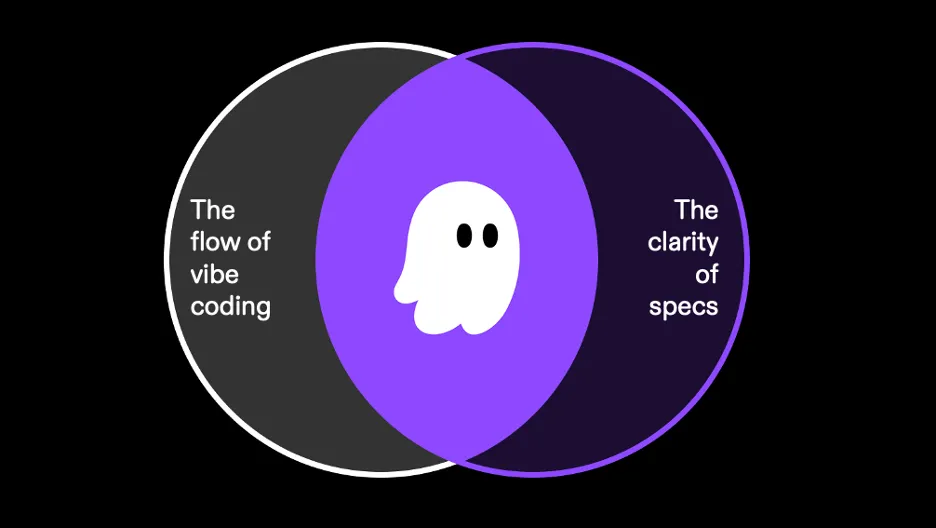
Kiro Autonomous Agent: The Future of AI-Powered Software Development
Estimated reading time: 12 minutes
Key Takeaways
-
- Kiro autonomous agent is a next-generation AI software developer created by AWS that independently manages complex coding workflows over hours or days.
-
- Kiro maintains persistent context and continuously learns from code reviews, enabling ever-improving code quality and multi-tasking up to 10 simultaneous tasks.
-
- It coordinates multi-step development tasks, including bug triaging, feature implementation, cross-repository changes, and refactoring inside secure sandbox environments.
Table of contents
What Is the Kiro Autonomous Agent?
At its core, Kiro autonomous agent is a cutting-edge AI software developer designed to work independently on programming tasks. Unlike traditional AI tools that function in isolated sessions and require constant human input, Kiro maintains a continuous context around the project it is working on. It learns from every pull request, code review, and piece of feedback it receives, evolving its understanding and application to deliver ever-improving code quality.
This agent can stay “on task” for hours or even days, working asynchronously to triage bugs, write and implement new features, refactor legacy code, and coordinate changes that span multiple repositories simultaneously (source, source).
Kiro belongs to a new class of AI systems known as frontier agents. These agents are designed for persistence and autonomy in complex environments, pushing past the limitations of session-only AI models and single-step automation (source).
The Core Capabilities of Kiro
Kiro’s range of software development skills is remarkable in its scope and depth. Here’s an overview of what it can do:
-
- Writing and implementing new code features: Given a specification or user story, Kiro takes a development task from concept to functioning code.
-
- Bug triaging and fixing: It can identify, prioritize, and remediate software bugs independently.
-
- Improving code coverage: Kiro enhances automated test suites to improve the overall reliability of the codebase.
-
- Cross-repository changes: It can execute modifications that span multiple repositories, which is critical for large, interconnected projects.
- Refactoring and updating critical code: Beyond writing new code, Kiro smartly refactors existing code to improve maintainability and performance across dependent systems.
All of this happens inside isolated sandbox environments that mimic the real developer environment. This means it clones your repositories, analyzes your specific codebase, and executes code changes safely without risking your live environment (source, source).
What Sets Kiro Apart? Distinctive Features Explained
Persistent Context and Continuous Learning
Most AI programming assistants work one session at a time—they forget everything once the session ends. Kiro changes this by maintaining persistent context across all interactions. It remembers past work, suggestions, and feedback to continuously refine its approach.
For example, if you correct how Kiro handles error conditions in one pull request, it will automatically apply that updated pattern to other parts of the code in subsequent changes. This learning applies not just to individual users but extends to your entire team’s coding patterns and preferences (source, source).
Extended Autonomy: Days of Independent Work
Kiro is not a “one-off” coder. It can manage work independently for extended periods—hours or days—without losing sight of objectives or context. It can also simultaneously handle up to 10 tasks, allowing it to act much like a full-time team member juggling multiple priorities effectively (source, source).
Multi-Step Task Coordination
Software development often requires breaking large tasks into smaller, manageable parts. Kiro excels at this by dividing complex assignments into distinct steps and then directing specialized sub-agents for different purposes:
- Research and planning
- Code writing
- Verification and testing
These sub-agents operate cohesively, enabling Kiro to manage sophisticated, cross-repository changes without confusion or loss of quality (source).
How Does the Kiro Autonomous Agent Work?
Understanding how Kiro operates offers a glimpse into the future of developer productivity:
-
- Sandbox Environment Initialization
When you assign a task, Kiro creates a secure, isolated sandbox that replicates your development setup, ensuring the work environment matches your real project conditions precisely (source). - Repository Cloning and Codebase Analysis
It clones your project repositories and thoroughly analyzes the codebase, dependencies, and existing functionality to understand the context fully. - Defining Requirements and Acceptance Criteria
Kiro breaks down the task into detailed requirements, figuring out what “done” looks like before writing a single line of code. - Coordinating Expert Sub-Agents
Depending on the nature of the task, Kiro deploys focused sub-agents to research, code, or verify the work, ensuring each phase meets high standards. - Proposing Changes for Review
Instead of unilaterally pushing code, Kiro submits proposed changes as pull requests. This keeps human developers in the loop, retaining final control over what gets merged (source).
- Sandbox Environment Initialization
The developer interacts with Kiro through chat-based communication, discussing approaches and clarifying requirements, turning it into a true collaborative partner rather than a blind executor (source).
Security and Configurability: Keeping Your Code Safe
Security is a paramount concern when integrating AI deeply into development workflows. Kiro addresses this with several robust mechanisms:
-
- Isolated sandboxes with customizable access levels: These range from limiting access to GitHub proxy integrations, allowing access to common package registries (npm, PyPI, Maven), or even open internet access depending on security needs (source).
-
- Custom domain allowlists: Precise control over network communications ensures Kiro only interacts with trusted services.
-
- Encrypted secrets and environment variables: Sensitive data like API keys or database passwords never appear in logs or pull requests, dramatically reducing the risk of leaks.
-
- Support for MCP (Model Context Protocol) integrations: Kiro can securely connect to specialized tools and proprietary internal systems for extended functionality.
- Auto-detection of DevFiles or Dockerfiles: This allows automatic configuration of sandbox environments with the right dependencies and runtimes for seamless task execution (source).
These safeguards make Kiro a practical solution even for organizations with strict compliance and security requirements.
Kiro as a Team Member: Collaboration Without the Overhead
Kiro’s true power shines when integrated into team environments. Rather than simply automating isolated tasks, it becomes a centralized resource that builds a collective, persistent understanding of your codebase, standards, and product specifications (source, source).
It weaves together diverse inputs—specifications, Jira tickets, Slack discussions, Confluence pages, and pull requests—creating a unified memory shared across the team (source).
Kiro integrates with popular developer tools such as:
- GitHub and GitLab: Seamless repository access and pull request creation.
- Jira: Incorporating issue and task context.
- Slack and Microsoft Teams: Keeping communication in sync.
- Confluence: Leveraging documentation and specifications.
By absorbing this context, Kiro ensures that changes it proposes align with team best practices and coding standards without repetitive explanations.
Integration Into Your Development Workflow
Using Kiro is designed to be intuitive and efficient. Tasks can be assigned directly through GitHub or via Kiro’s online account dashboard (source). Beyond simple task execution, Kiro:
- Has access to real-time web search and historical learnings from past code reviews.
- Operates with full context from concurrent tasks.
- Can orchestrate related changes spanning multiple repositories in a single coordinated effort.
- Always submits proposed changes for human review, keeping maintainers in control (source).
This thoughtful approach helps teams retain full agency while dramatically increasing coding throughput.
Release and Availability
Kiro autonomous agent debuted in late 2025 as part of AWS’s ambitious “AI frontier agents” initiative, which introduced three pioneering AI agents to showcase extended autonomy in complex tasks (source).
Currently, Kiro preview versions are available to paid customers through the online platform, with ongoing enhancements rolling out regularly (source).
As adoption grows, Kiro is expected to become a staple tool in modern software development, especially in organizations looking to scale rapidly without compromising quality or security.
Why Kiro Autonomous Agent Matters in AI and Software Development
Kiro marks a significant step forward in AI-powered development tools. It goes beyond assisting developers for a few minutes and instead works persistently, learning and adapting over time.
This shift toward autonomous, multi-step AI agents could transform not just coding, but how teams plan, build, test, and maintain software products. By handling routine, complex, or cross-cutting development tasks, Kiro frees humans to focus on higher-level problem-solving, creativity, and innovation.
Further, its secure, sandboxed model and seamless integration into existing team workflows make it one of the most practical and powerful AI developer assistants currently available.
For anyone interested in the future of coding, AI automation, and team productivity, keeping an eye on Kiro autonomous agent is a must.
Explore More About Kiro Autonomous Agent
- AWS Announcement on Kiro Autonomous Agent
- Kiro Developer Blog
- TechCrunch Coverage of AWS Frontier Agents
With Kiro autonomous agent, the future of autonomous AI development is here—working smarter, faster, and more collaboratively than ever before. The age when AI can independently ship robust software over days without constant human intervention has arrived, ready to redefine software engineering for years to come.
Frequently Asked Questions
What exactly is Kiro autonomous agent?
Kiro is an advanced AI developer agent built by AWS that independently manages and executes complex software development tasks over extended periods, learning continuously from feedback and maintaining persistent context.
How secure is Kiro when working with private codebases?
Kiro operates within isolated sandbox environments and employs encrypted secrets, custom domain allowlists, and controlled access policies to ensure your private data and codebase remain safe and compliant with strict organizational security standards.
Can Kiro handle changes across multiple repositories?
Yes. One of Kiro’s standout features is its ability to coordinate cross-repository changes seamlessly, which is essential for large-scale projects with interconnected components.
How does Kiro learn and improve its coding over time?
Kiro maintains persistent context and absorbs feedback from pull requests, code reviews, and team inputs to adapt its coding patterns for better quality and alignment with team standards.
What integrations does Kiro support?
Kiro integrates with tools like GitHub, GitLab, Jira, Slack, Microsoft Teams, and Confluence, enabling it to become a central part of your existing development workflows and communication channels.